USOCC Grants Conditional Approval for Crypto Trust Bank Charters... Including Ripple!
The OCC has granted conditional approval for trust bank charters to Ripple and four other crypto firms, marking a historic moment in U.S. digital asset regulation. Here's what this means for XRP and the broader crypto market.

The U.S. Office of the Comptroller of the Currency (OCC) has granted conditional approval for trust bank charters to five cryptocurrency companies, including Ripple, marking a watershed moment for digital asset regulation in the United States. The announcement, confirmed by Fox Business reporter Eleanor Terrett, represents the first time crypto-native firms have received approval to operate as federally regulated trust banks.
The Historic Approvals
The OCC's conditional approvals span both newly created (de novo) national trust banks and state-chartered trust companies converting into the federal system. According to Terrett's reporting, the de novo approvals include Ripple National Trust Bank and First National Digital Currency Bank (also known as Circle). The other three approvals are state-to-national conversions: BitGo Bank & Trust, Fidelity Digital Assets, and Paxos Trust Company.
Comptroller Jonathan Gould emphasized that each application received a standard "rigorous" review and that each company must meet additional conditions before becoming fully operational. Gould noted that these new entrants will help modernize and diversify the banking system while broadening access to innovative financial products.
What This Means for Crypto Regulation
These approvals represent a significant shift in the U.S. regulatory landscape for digital assets. By granting federal trust bank charters, the OCC is effectively acknowledging cryptocurrency firms as legitimate financial institutions deserving of the same regulatory framework as traditional banks. This move provides several crucial benefits:
Regulatory Clarity: Federal banking charters come with clear oversight rules, ending years of regulatory uncertainty for these companies.
Enhanced Credibility: Trust bank status signals institutional legitimacy, potentially attracting traditional financial institutions and corporate clients who previously avoided crypto partnerships.
Custodial Authority: As federally chartered trust banks, these companies can legally custody digital assets for clients with the same fiduciary protections afforded to traditional assets.
Interstate Operations: National bank charters allow these companies to operate across all 50 states without navigating individual state licensing requirements.
However, it's important to note these are conditional approvals. Each company must satisfy additional OCC requirements before beginning operations, and the specific conditions haven't been publicly disclosed.
Impact on Ripple and XRP
For Ripple specifically, this approval carries enormous implications. The company has spent years battling the SEC's lawsuit alleging XRP is an unregistered security. While Judge Analisa Torres ruled in July 2023 that programmatic XRP sales don't constitute securities offerings, the case continues for institutional sales.
This trust bank approval fundamentally changes Ripple's position in several ways:
Regulatory Validation: The OCC's approval suggests federal regulators view Ripple as a legitimate financial services provider, potentially undercutting the SEC's characterization of the company as operating outside regulatory bounds.
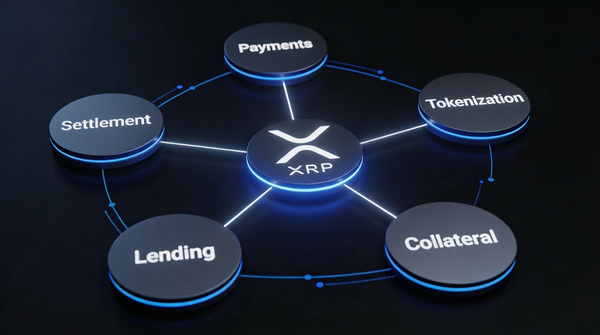
Infrastructure for Institutional Adoption: Ripple National Trust Bank could provide the custodial and banking infrastructure necessary for institutional clients to use XRP and Ripple's payment solutions, addressing a long-standing barrier to enterprise adoption.
Payment Rails Integration: With federal banking authority, Ripple can more directly integrate XRP-based payment solutions into traditional financial infrastructure, potentially accelerating the cross-border payments use case the company has championed.
Tokenized Asset Positioning: As financial institutions increasingly explore tokenized real-world assets, Ripple's trust bank could position itself as infrastructure for these flows, with XRP serving as a bridge currency.
Market analysts suggest this approval could drive near-term price volatility for XRP as traders digest the news, but the longer-term value proposition centers on sustained utility. If Ripple successfully leverages its trust bank status to expand institutional adoption of XRP-based payment solutions, it could unlock the multi-trillion-dollar cross-border payments market the company has long targeted.
Broader Market Implications
Beyond Ripple, these approvals signal the OCC's willingness to integrate cryptocurrency firms into the traditional banking system under current Comptroller leadership. The inclusion of major players like Circle (issuer of USDC stablecoin), BitGo (institutional custody), Fidelity Digital Assets (institutional investment), and Paxos (stablecoin infrastructure) demonstrates broad regulatory acceptance across different crypto business models.
This could accelerate several industry trends:
Stablecoin Integration: With Circle and Paxos receiving approvals, federally regulated stablecoin infrastructure moves closer to reality, potentially supporting future stablecoin legislation.
Institutional Custody Solutions: BitGo and Fidelity's approvals legitimize institutional-grade digital asset custody, addressing concerns that have kept some traditional finance players on the sidelines.
Banking Competition: As crypto-native firms gain banking powers, traditional banks may face pressure to expand their own digital asset offerings or risk losing market share.
However, regulatory observers caution that these approvals don't resolve all compliance questions. The SEC maintains its authority over securities regulation regardless of OCC charter approvals, and the ongoing debate about which digital assets constitute securities continues.
The Road Ahead
While these conditional approvals mark a historic milestone, each company faces significant work before becoming fully operational. The OCC's undisclosed conditions likely include requirements around:
- Capital adequacy and liquidity management
- Risk management frameworks
- Anti-money laundering and know-your-customer compliance
- Cybersecurity protocols
- Corporate governance structures
Industry experts anticipate these requirements could take months to satisfy, meaning these trust banks won't begin operations immediately. Additionally, the conditional nature of the approvals means the OCC could revoke them if companies fail to meet the specified requirements.
The timing of these approvals also raises questions about regulatory continuity. With changing political leadership and potential shifts in regulatory priorities, the durability of this pro-crypto banking stance remains uncertain. Future OCC leadership could adopt more restrictive approaches, though reversing granted charters would be complex.
Conclusion
The OCC's conditional approval of trust bank charters for Ripple and four other cryptocurrency companies represents a landmark moment in U.S. digital asset regulation. By bringing crypto-native firms into the federal banking system, regulators are acknowledging the maturation of the industry and providing a pathway for institutional integration.
For Ripple and XRP specifically, this approval provides regulatory validation and infrastructure that could accelerate institutional adoption of XRP-based payment solutions. However, XRP holders should maintain realistic expectations: while this news is fundamentally positive, transforming regulatory approval into sustained utility and price appreciation will require successful execution on Ripple's business strategy.
The real test comes next—whether these companies can meet the OCC's conditions, launch successful operations, and deliver on the promise of bringing cryptocurrency into mainstream financial infrastructure. The conditional approvals provide opportunity, but outcomes remain uncertain in a volatile and rapidly evolving industry.
DISCLAIMER: This newsletter is for informational purposes only and does not constitute investment advice, advertising, or a recommendation to buy, sell, or hold any securities. This content is not sponsored by or affiliated with any of the mentioned entities. Investments in cryptocurrencies or other financial assets carry significant risks, including the potential for total loss, extreme volatility, and regulatory uncertainty. Past performance is not indicative of future results. Always consult a qualified financial professional and conduct thorough research before making any investment decisions.
Sources
- Eleanor Terrett Twitter Thread - Fox Business Reporter
- Office of the Comptroller of the Currency - Federal Banking Regulator
- Ripple Official Website - Company Information
- Circle Official Website - USDC Stablecoin Issuer
- BitGo Official Website - Digital Asset Custody
- Fidelity Digital Assets - Institutional Crypto Services
- Paxos Official Website - Stablecoin and Crypto Infrastructure
- SEC v. Ripple Labs Case Documents - Legal Background
- Judge Torres XRP Ruling - Reuters Coverage