NYSE Unveils Blockchain-Based Securities Platform: What Wall Street's 24/7 Trading Future Could Mean for Crypto
NYSE announces blockchain-based platform for 24/7 tokenized securities trading with instant settlement. The move signals Wall Street's serious embrace of blockchain technology—but regulatory approval and implementation challenges remain. Here's what's confirmed and what's still speculation.
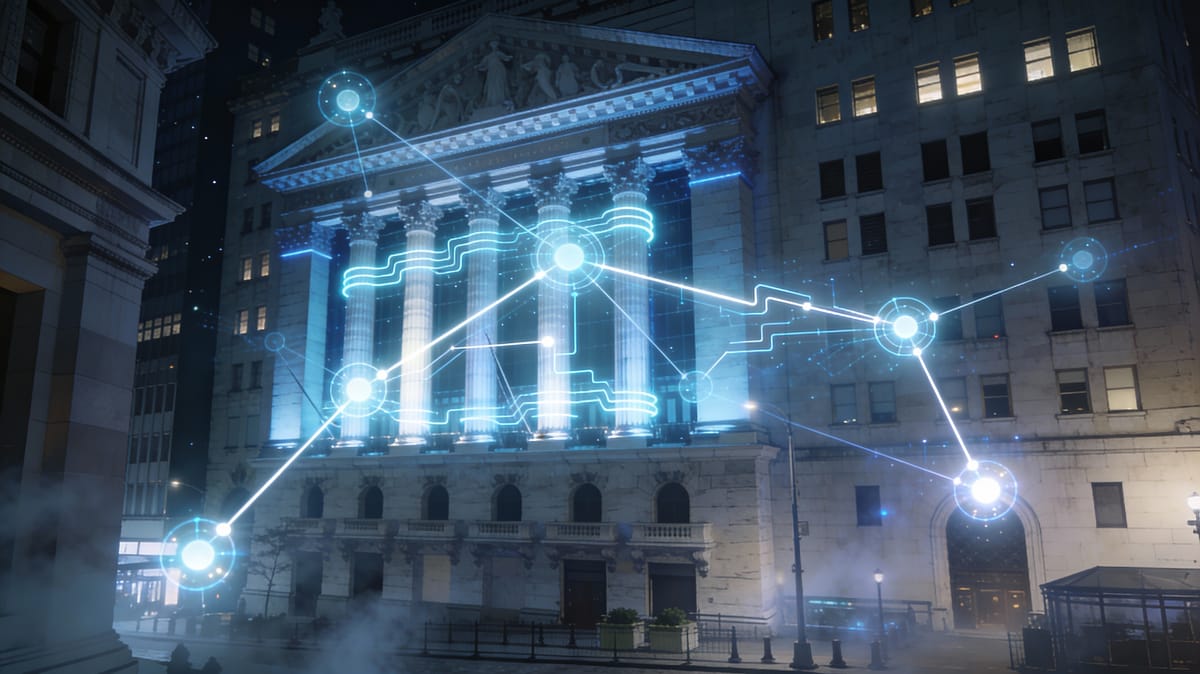
The New York Stock Exchange announced plans to develop a platform for trading and on-chain settlement of tokenized securities, marking what could become one of the most significant shifts in traditional finance infrastructure. The platform, subject to regulatory approvals, would enable continuous 24/7 trading with instant settlement using blockchain technology.
What Was Actually Announced
On January 19, 2026, Intercontinental Exchange (ICE)—the parent company of NYSE—revealed its development of a digital platform combining the exchange's Pillar matching engine with blockchain-based post-trade systems. The announcement outlined specific features but left several critical details unconfirmed.
Confirmed Features
The proposed platform would offer:
- 24/7 trading operations beyond traditional market hours
- Instant settlement via blockchain technology
- Dollar-denominated orders rather than share-based pricing
- Stablecoin-based funding for transactions
- Multi-chain support for settlement and custody (specific blockchains not disclosed)
- Dual trading capability for both tokenized versions of traditional securities and natively digital securities
"For more than two centuries, the NYSE has transformed the way markets operate," said Lynn Martin, President of NYSE Group. "We are leading the industry toward fully on-chain solutions, grounded in the unmatched protections and high regulatory standards that position us to marry trust with state-of-the-art technology."
The Banking Infrastructure Component
Beyond the trading platform, ICE announced partnerships with BNY Mellon and Citibank to support tokenized deposits across its clearinghouses. This infrastructure aims to facilitate fund transfers and margin management outside traditional banking hours and across different time zones.
The Broader Tokenization Trend
This announcement arrives as the tokenized securities market experiences significant growth. According to Verified Market Research, the tokenized securities market was valued at $1.4 billion in 2024 and is forecast to reach $6.5 billion by 2033, representing an 18.5% compound annual growth rate.
Recent institutional adoption signals mounting momentum:
- BlackRock, Franklin Templeton, and JPMorgan have launched tokenized funds
- Nasdaq filed with the SEC in September 2025 seeking approval for tokenized stock trading
- The SEC issued a no-action letter to The Depository Trust Company in December 2025, allowing a three-year pilot program for tokenized clearing services
- Tokenized stocks reached $1.2 billion in market value
Standard Chartered CEO Bill Winters predicted that "pretty much all transactions will be tokenized" eventually, with the bank forecasting $2 trillion in tokenized assets by 2028.
What This Means for Traditional Markets
Potential Benefits
The platform could address several long-standing market inefficiencies:
Settlement Speed: Traditional securities settlement takes T+1 (one business day after trade), while blockchain-based systems can settle near-instantaneously. This reduces counterparty risk and frees up capital currently tied up during settlement periods.
Market Access: Round-the-clock trading would allow global investors to respond to news and events in real-time, rather than waiting for market opens. This particularly benefits international investors operating across time zones.
Fractional Ownership: Dollar-based ordering enables investors to purchase exact dollar amounts rather than whole shares, democratizing access to high-priced securities.
Cost Efficiency: Blockchain settlement could reduce intermediary costs associated with traditional clearing and settlement processes.
Challenges and Barriers
Despite the announced benefits, significant hurdles remain:
Regulatory Approval: The platform requires regulatory clearance with no specified timeline. Traditional finance innovation often faces years of regulatory review, and tokenized securities introduce novel compliance questions around custody, investor protection, and market manipulation prevention.
Liquidity Questions: 24/7 trading sounds attractive, but markets need sufficient buyers and sellers at all hours. Overnight trading volumes could be thin, leading to wider bid-ask spreads and potentially unfavorable pricing for retail investors.
Technology Integration: Connecting blockchain systems with existing financial infrastructure involves complex technical challenges around interoperability, security, and system reliability.
Market Structure: How will market makers and liquidity providers operate continuously? What happens when traditional markets close but tokenized versions continue trading? These structural questions lack clear answers.
Theoretical Implications for Crypto Markets (Speculation)
IMPORTANT: The NYSE announcement focused exclusively on traditional securities tokenization and made no mention of cryptocurrency markets, blockchain-specific projects, or any particular digital assets. The following represents analysis of potential indirect effects, not confirmed plans.
Could This Benefit Blockchain Infrastructure?
Blockchain platforms with proven tokenization capabilities might theoretically benefit from increased institutional adoption of tokenization technology. However, several realities temper this speculation:
The Multi-Chain Reality: NYSE specifically mentioned supporting "multiple chains" without naming any. This suggests the platform may use private or permissioned blockchains rather than public networks. Financial institutions typically prefer permissioned systems for regulatory compliance and control.
Regulatory Requirements: Traditional securities face strict regulatory oversight. Any blockchain handling regulated securities would need to meet extensive compliance requirements around KYC (Know Your Customer), AML (Anti-Money Laundering), transaction monitoring, and investor protection. Public blockchains generally lack these built-in controls.
Existing Alternatives: Private blockchain solutions from companies like R3 (Corda) and Digital Asset already serve institutional clients. NYSE may build proprietary systems or use established enterprise blockchain platforms rather than public networks.
XRP/Ripple Connection: Separating Fact from Speculation
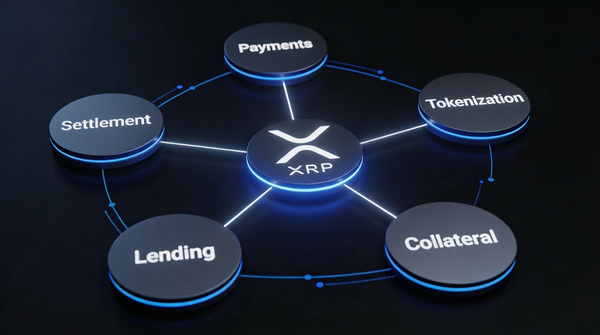
Some observers have theorized about potential applications for blockchain platforms with tokenization capabilities, including XRP Ledger, which supports asset tokenization and has facilitated over 4 billion transactions since inception.
What We Know:
- XRP Ledger offers tokenization capabilities for various assets
- Ripple has focused on institutional payment solutions
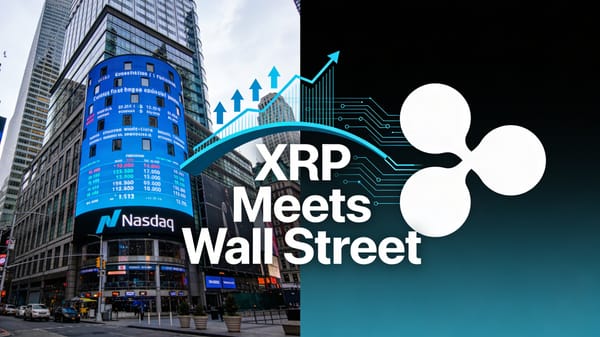
- Multiple XRP ETFs now trade on NYSE, providing regulated exposure to the digital asset
What NYSE Didn't Say:
- No mention of XRP, Ripple, or any specific public blockchain
- No indication of which blockchain networks will be supported
- No timeline for partnership announcements
Reality Check: While XRP Ledger possesses technical tokenization capabilities, several factors make direct integration speculative:
- Regulatory Positioning: Despite legal victories establishing XRP is not a security in certain contexts, traditional securities regulators may require more established, fully permissioned systems for regulated exchange operations.
- Institutional Requirements: NYSE's regulated environment demands specific compliance features, custody arrangements, and operational controls that may favor purpose-built institutional blockchain solutions.
- Existing Infrastructure: ICE operates six clearinghouses globally and has extensive proprietary technology. Building on existing systems rather than adopting external blockchain networks may prove more practical.
- No Official Connection: Neither NYSE nor Ripple has announced any partnership, integration, or even exploratory discussions regarding this platform.
Bottom Line: While interesting theoretically, any connection between NYSE's tokenized securities platform and XRP remains entirely speculative without supporting evidence. The existence of tokenization capabilities does not equate to institutional adoption for regulated securities trading.
Market Reaction and Expert Perspectives
Financial technology observers view the announcement as validation of blockchain's potential in traditional finance, though with measured expectations.
"Supporting tokenized securities is a pivotal step in ICE's strategy to operate on-chain market infrastructure for trading, settlement, custody, and capital formation in the new era of global finance," stated Michael Blaugrund, ICE's Vice President of Strategic Initiatives.
Industry analysts note that while the announcement signals serious institutional commitment to tokenization, practical implementation faces substantial obstacles. Consulting firm McKinsey projects the real-world asset tokenization market could reach $2 trillion by 2030, though this depends heavily on regulatory developments and technology maturation.
What Remains Unanswered
Critical details absent from the announcement:
- Timeline: No launch date or regulatory approval timeline provided
- Blockchain Selection: Which specific blockchain networks will be supported
- Fee Structure: How transaction costs will compare to traditional trading
- Initial Securities: Which securities will be available at launch
- International Access: How the platform will handle cross-border regulatory requirements
- Interoperability: Whether tokens will be transferable between different exchanges or platforms
The Path Forward
NYSE's announcement represents a significant institutional endorsement of blockchain technology for traditional finance. However, the gap between announcement and implementation remains substantial.
Regulatory approval alone could take months or years. The SEC's historical caution around market structure changes suggests thorough review. Additionally, the platform must achieve sufficient liquidity and market maker participation to deliver meaningful benefits over existing systems.
For crypto markets, this development validates blockchain's utility for financial infrastructure. Yet the technology's application in highly regulated traditional securities differs substantially from decentralized cryptocurrency networks. The announcement doesn't necessarily translate to direct benefits for existing public blockchains or digital assets.
Key Takeaways
- What's Confirmed: NYSE plans to develop a blockchain-based platform for tokenized securities with 24/7 trading and instant settlement, subject to regulatory approval.
- Broader Trend: This announcement joins growing institutional tokenization efforts from Nasdaq, major banks, and asset managers, signaling mainstream finance adoption of blockchain technology.
- Timeline Uncertain: No launch date provided; regulatory approval process timeline remains unclear.
- Blockchain Agnostic: NYSE mentioned multi-chain support but didn't specify which networks, and may use private/permissioned solutions rather than public blockchains.
- Crypto Connection Speculative: While blockchain platforms with tokenization capabilities exist (including XRP Ledger), NYSE made no mention of specific cryptocurrencies or public blockchain integrations. Any such connection remains theoretical.
- Challenges Ahead: Regulatory hurdles, liquidity concerns, technology integration, and market structure questions present significant obstacles to implementation.
The announcement marks a milestone in traditional finance's blockchain adoption journey, but practical reality often lags ambitious visions. Investors should monitor regulatory developments, partnership announcements, and actual launch details before drawing conclusions about market impact.
DISCLAIMER: This newsletter is for informational purposes only and does not constitute investment advice, advertising, or a recommendation to buy, sell, or hold any securities. This content is not sponsored by or affiliated with any of the mentioned entities. Investments in cryptocurrencies or other financial assets carry significant risks, including the potential for total loss, extreme volatility, and regulatory uncertainty. Past performance is not indicative of future results. Always consult a qualified financial professional and conduct thorough research before making any investment decisions.
Sources
- NYSE Announcement - Yahoo Finance
- NYSE Tokenized Securities Platform - Markets Media
- NYSE Platform Details - Investing News
- NYSE 24/7 Trading Platform - The Block
- Tokenized Securities Market Analysis - Verified Market Research
- Asset Tokenization Trends - Token City
- RWA Tokenization Industries - The Motley Fool
- Tokenized Stocks Market - Finance Magnates
- XRP Ledger Overview - XRPL.org
- Bitwise XRP ETF - Bitwise Investments
- Grayscale XRP Trust - Grayscale
- XRP Information - Caleb and Brown