Fed Reverses 2023 Crypto Banking Guidance: What It Means
Federal Reserve withdraws 2023 guidance that blocked banks from crypto services, potentially reshaping institutional access to digital assets. New policy emphasizes 'responsible innovation' in banking sector.

Fed Reverses 2023 Crypto Banking Guidance: What It Means
The Federal Reserve has withdrawn its restrictive 2023 guidance that effectively blocked banks from offering crypto services, marking a significant regulatory shift that could reshape institutional access to digital assets in the United States.
The Reversal Explained
On Wednesday, December 18, 2024, the Federal Reserve Board announced the withdrawal of its 2023 policy statement that had limited state member banks' ability to engage with cryptocurrency activities. The central bank simultaneously issued new guidance emphasizing "responsible innovation" in banking services.
"New technologies offer efficiencies to banks and improved products and services to bank customers," stated Vice Chair for Supervision Michelle W. Bowman. The Fed's new approach aims to create a pathway for banks to offer innovative products while maintaining safety and soundness in the banking sector.
The 2023 guidance had created substantial barriers for traditional banks seeking to provide crypto custody, trading, or related services to customers. By requiring extensive supervisory approval processes and demonstrating compliance with complex safety standards, the policy effectively discouraged banks from entering the digital asset space.
Why This Matters Now
This reversal represents a notable departure from the regulatory caution that characterized federal oversight of crypto-banking integration over the past two years. The timing coincides with broader discussions about clearer regulatory frameworks for digital assets and follows the resolution of several high-profile enforcement actions.
The policy change could have several immediate implications:
For Traditional Banks: Institutions that had postponed or abandoned crypto service plans may now reconsider. Regional and community banks particularly faced challenges under the previous guidance, as they lacked resources to navigate the intensive approval process.
For Crypto Companies: The reversal potentially opens doors to banking relationships that were previously difficult or impossible to establish. Crypto firms have faced widespread "debanking" over the past two years, with numerous companies reporting account closures or difficulties securing banking partners.
For Institutional Adoption: Clearer pathways for banks to offer crypto custody and services could accelerate institutional involvement in digital assets, as traditional financial institutions will face fewer regulatory uncertainties.
Market and Regulatory Context
The Fed's decision arrives amid evolving regulatory attitudes toward digital assets. While enforcement actions continue against platforms alleged to have violated securities laws, there's growing recognition that blanket restrictive policies may stifle innovation without meaningfully protecting consumers.
Eleanor Terrett, a Fox Business correspondent covering financial regulation, noted on X that the guidance "effectively blocked uninsured banks from becoming Fed members and engaging in crypto." Her reporting highlighted that this policy underpinned the Fed's denial of Custodia Bank's master account application, a closely watched case involving a crypto-friendly bank seeking Federal Reserve membership.
The new guidance emphasizes that supervisory processes should facilitate responsible innovation rather than create blanket prohibitions. Banks will still need to demonstrate appropriate risk management, but the framework suggests a more permissive approach to evaluating crypto-related activities.
What Remains Uncertain
Despite this positive development, significant questions remain unanswered:
Implementation Details: How the Fed will evaluate crypto service proposals under the new guidance remains to be seen. Will the supervisory process be substantially different from the previous regime, or will it simply remove explicit prohibitions while maintaining stringent informal barriers?
Coordination with Other Regulators: The Fed is just one of several agencies overseeing crypto-banking intersection. The Office of the Comptroller of the Currency, Federal Deposit Insurance Corporation, and state banking regulators all play roles in determining whether banks can offer crypto services.
Securities Law Questions: Even with Fed approval for crypto activities, banks must still navigate securities regulations. The ongoing debate about which digital assets constitute securities under federal law creates additional compliance challenges.
XRP and Ripple Implications
For XRP and Ripple specifically, this development could prove significant:
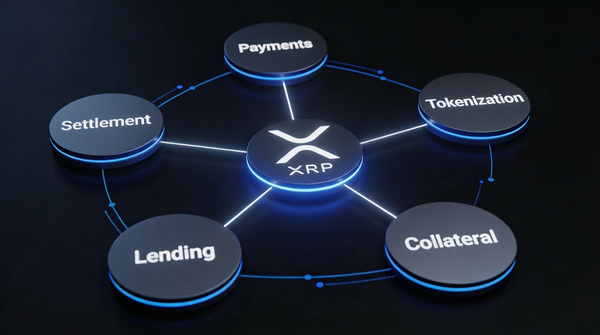
Banking Partnerships: Ripple's payment technology relies heavily on banking partnerships. Clearer pathways for banks to engage with digital assets could facilitate Ripple's expansion of its payment network and On-Demand Liquidity (ODL) services that utilize XRP.
Custody Services: Banks offering crypto custody services could increase institutional comfort with holding XRP, potentially supporting greater adoption by financial institutions exploring cross-border payment solutions.
Regulatory Clarity: While this Fed guidance doesn't directly address the SEC's case against Ripple, it represents a broader shift toward accommodating digital assets within the regulated financial system. This philosophical shift could influence other regulatory approaches.
However, it's important to note that the Fed's guidance withdrawal doesn't immediately change XRP's regulatory status or resolve outstanding questions about its classification under securities laws. Banks considering XRP-related services would still need to evaluate securities law compliance independently.
Looking Ahead
The Fed's reversal signals potential momentum toward more accommodating regulatory frameworks for crypto-banking integration, but challenges remain. Banks will likely proceed cautiously, testing the boundaries of the new guidance before committing significant resources to crypto services.
For the broader crypto industry, this development offers hope that regulatory approaches may evolve beyond blanket restrictions toward frameworks that attempt to balance innovation with appropriate safeguards. Whether other agencies follow the Fed's lead in reconsidering restrictive policies remains an important question for 2025.
The withdrawal of the 2023 guidance doesn't guarantee that banks will immediately embrace crypto services, but it removes a significant barrier that had effectively closed this avenue for the past two years. Market participants will be watching closely to see which institutions take advantage of the new regulatory opening.
DISCLAIMER: This newsletter is for informational purposes only and does not constitute investment advice, advertising, or a recommendation to buy, sell, or hold any securities. This content is not sponsored by or affiliated with any of the mentioned entities. Investments in cryptocurrencies or other financial assets carry significant risks, including the potential for total loss, extreme volatility, and regulatory uncertainty. Past performance is not indicative of future results. Always consult a qualified financial professional and conduct thorough research before making any investment decisions.