Crypto's Biggest Players Just Got A Seat At The Table With Congress
Coinbase, Ripple, and a16z just secured a meeting with Senator Tim Scott on market structure legislation. January negotiations could reshape U.S. crypto regulation—here's what's at stake for XRP and the industry

Crypto's Biggest Players Just Got A Seat At The Table With Congress
Major players, including Coinbase, Ripple, and a16z convene with key senators as legislative push gains momentum ahead of January negotiations.
The crypto industry took a significant step forward this week as executives from Coinbase, Ripple, and a prominent venture capital firm a16z met with Senator Tim Scott to discuss the framework for comprehensive crypto market structure legislation. According to CoinDesk's reporting, the meeting focused on hashing out details ahead of formal negotiations expected to begin in January 2025.
Why This Meeting Matters Now
Senator Tim Scott, who serves as the ranking member of the Senate Banking Committee, plays a crucial role in shaping financial regulation. His engagement with industry leaders signals that crypto market structure legislation could advance in the coming congressional session, potentially providing the regulatory clarity the industry has sought for years.
The timing is particularly significant as the crypto industry continues to operate in regulatory uncertainty, with companies often unsure whether their products fall under securities laws, commodities regulations, or new frameworks entirely. Current SEC enforcement actions have created a challenging environment for U.S.-based crypto businesses, making clear legislation a top priority for the sector.
What's On The Table
While specific details of the discussion remain private, market structure legislation typically addresses several key areas:
Regulatory Classification: Establishing clear definitions for which digital assets qualify as securities versus commodities, and which federal agency has jurisdiction over different crypto activities.
Consumer Protection Standards: Creating frameworks for custody requirements, disclosure obligations, and operational standards that protect retail investors without stifling innovation.
Market Infrastructure: Setting rules for crypto exchanges, trading platforms, and intermediaries that balance security concerns with technological capabilities.
The participation of major industry players suggests the conversation included practical implementation considerations from companies actively building in the space.
Market Implications
Comprehensive market structure legislation could fundamentally reshape the U.S. crypto landscape. Clear regulatory frameworks might:
- Encourage institutional investment by reducing compliance uncertainty
- Enable traditional financial firms to offer crypto services with confidence
- Potentially bring back U.S.-based crypto businesses that moved operations offshore
- Create competitive advantages for companies that can navigate the new rules efficiently
However, the specifics matter enormously. Overly restrictive legislation could still disadvantage U.S. firms compared to international competitors operating under different regulatory regimes.
XRP and Ripple: High Stakes in Market Structure Talks
For Ripple, this legislative push carries particular significance given the company's ongoing legal battles and its prominent role in these discussions.
Regulatory Classification Impact: The core question in Ripple's SEC lawsuit has been whether XRP constitutes a security. Market structure legislation that clearly defines when digital assets are securities versus commodities could directly impact not just the lawsuit's resolution but XRP's entire regulatory status going forward.
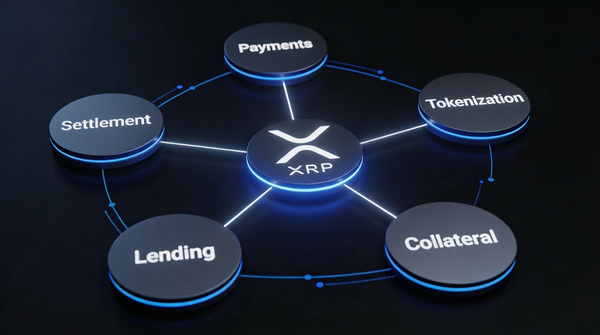
Business Operations: Clear rules would allow Ripple to operate its cross-border payment solutions with greater certainty. The company's On-Demand Liquidity service, which uses XRP to facilitate international transfers, could expand more aggressively with regulatory clarity.
Partnership Opportunities: Financial institutions have shown interest in Ripple's technology but many remain cautious about regulatory risk. Definitive market structure legislation could remove a major barrier to partnership growth, particularly with U.S.-based banks and payment providers.
Price Implications: While cryptocurrency prices respond to numerous factors, regulatory clarity has historically correlated with positive price movement for affected assets. If legislation clearly establishes XRP as a non-security, it could open access to more exchanges and institutional investors. However, investors should note that legislative outcomes remain uncertain and price predictions are inherently speculative.
The Road Ahead
January negotiations will likely involve multiple stakeholders beyond this initial meeting. Congressional staffers, additional senators, regulatory agencies, and other industry representatives will all play roles in shaping final legislation.
Key questions remain unresolved:
- Will legislation create a new regulatory framework or work within existing agency structures?
- How will it balance innovation concerns against consumer protection?
- Can it achieve bipartisan support necessary for passage?
- What timeline will implementation follow?
The crypto industry has sought regulatory clarity for years, but the devil will be in the details. Legislation that's too prescriptive could lock in approaches that don't accommodate future innovation, while frameworks that are too loose might fail to provide the certainty markets need.
What Industry Leaders Are Saying
While official statements from meeting participants remain limited, the choice of attendees speaks volumes. Coinbase represents major exchange interests, Ripple brings payment infrastructure perspective, and a16z offers the venture capital viewpoint focused on fostering innovation. Their collective presence suggests an industry attempt to present unified priorities rather than competing agendas.
According to CoinDesk, the meeting focused on substantive policy discussions rather than simply advocacy positioning, indicating serious legislative consideration.
Conclusion
This week's meeting between crypto industry leaders and Senator Tim Scott marks a potentially pivotal moment for U.S. crypto regulation. As January negotiations approach, the industry appears to be actively engaging with key lawmakers to shape market structure legislation that could define the sector's future for years to come.
For companies like Ripple operating at the intersection of traditional finance and crypto innovation, the stakes couldn't be higher. Clear, workable regulations could unlock significant growth opportunities, while poorly designed frameworks might entrench the uncertainty that has plagued the industry.
The coming months will reveal whether this legislative push translates into meaningful regulatory clarity or becomes another chapter in the long-running debate over how to regulate digital assets in America.
DISCLAIMER: This newsletter is for informational purposes only and does not constitute investment advice, advertising, or a recommendation to buy, sell, or hold any securities. This content is not sponsored by or affiliated with any of the mentioned entities. Investments in cryptocurrencies or other financial assets carry significant risks, including the potential for total loss, extreme volatility, and regulatory uncertainty. Past performance is not indicative of future results. Always consult a qualified financial professional and conduct thorough research before making any investment decisions.
Sources
- CoinDesk: "Crypto Industry Insiders Meet With Key Senators on Market Structure Bill Negotiation" - Jesse Hamilton, December 17, 2024
- U.S. Senate Banking Committee - Official committee information and membership
- SEC v. Ripple Labs Case Information - Securities and Exchange Commission
- Ripple Official Website - Company information and On-Demand Liquidity service details
- Coinbase Official Website - Company information
- Andreessen Horowitz (a16z) - Venture capital firm information